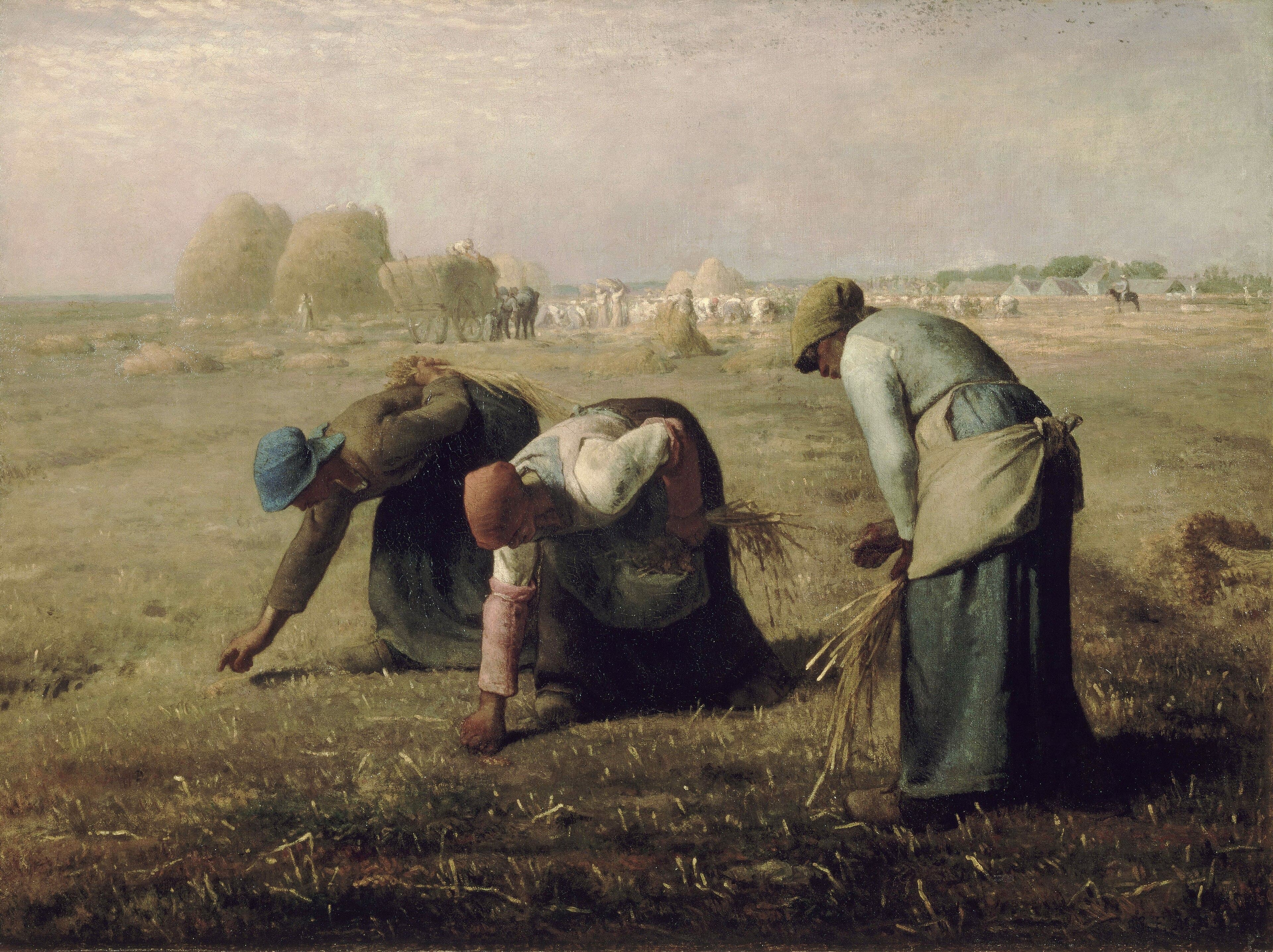
Jean-François Millet, Des glaneuses (1857) — A commons begins with what remains after the harvest.
Open-source
n.—generous by design, fragile by neglect.
Open source has always worked on an implicit social contract that goes well past the license text. The license grants access. The contract that actually keeps a project alive is something softer: people use the thing, hit its rough edges, report them, sometimes fix them, occasionally pay for support, and in aggregate that loop is what funds the maintenance that access alone never pays for.
I keep returning to this distinction because so much of the current conversation about open source mixes the two. AI tooling has made access easier than it has ever been—anyone can read, fork, fine-tune, ship. But access was never the scarce resource. Maintenance was. Review was. The less visible work of triaging issues and hardening edge cases was. None of that scales just because access did.
What I find genuinely new about the current moment is not that open source is being used more—it's being used more and visited less, which breaks the old loop in a way that simple piracy or freeloading never did. An agent that reads documentation, writes code, and ships a fix doesn't open an issue, doesn't say thanks, doesn't become the next maintainer. The usage goes up. The contract that funded the commons quietly stops working, without anyone deciding to break it.
I don't think the answer is to romanticize the old social contract—it was already fragile, already unevenly distributed, already running on the goodwill of a small number of overworked maintainers. But pretending the contract still holds, just because the access side of open source has never looked healthier, is how you wake up one day with a commons that's been generous for free, right up until it quietly wasn't there anymore.