Reading List
What I'm reading, citing, or recommending—books through feeds—with a brief note on each.
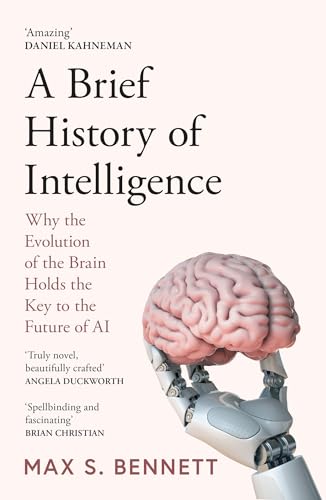
Five evolutionary breakthroughs—steering, reinforcing, simulating, mentalizing, speaking—mapped onto five hundred million years of brains. A tempting, and surprisingly sturdy, analogy for the trajectory I keep seeing in agentic AI today.

Biblical meditations on human dignity, written in the wake of Rerum Novarum, on what Christian anthropology has to offer facing AI—the meaning of work, dignity, what we owe the generations that follow.
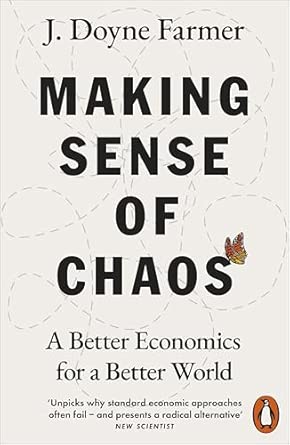
One of the Santa Fe Institute's founding figures makes the rigorous case against equilibrium economics—and for agent-based models that actually capture how markets, pandemics, and transitions unfold. The most intellectually honest treatment of complexity I've encountered.

What it actually costs to hold direction through discontinuity—distributed authority, sleepless uncertainty, transformation that no roadmap anticipated.
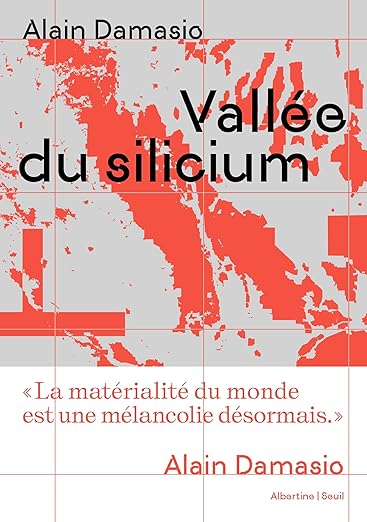
Seven chronicles from inside Silicon Valley—part travel writing, part poetic dissection of technocapitalism. Damasio doesn't denounce; he inhabits, then dismantles. The closing short story is among the best fiction he's written.
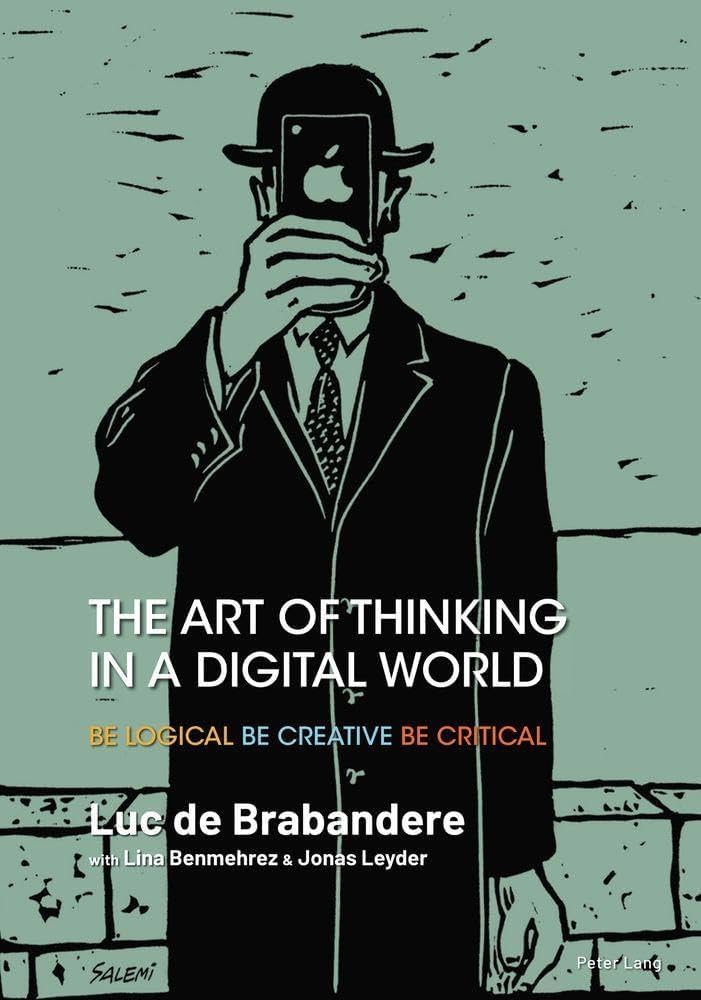
Logical, creative, and critical thinking, traced through the long history of computation—a corporate philosopher's case for what ChatGPT-era tools are doing to our mental models.
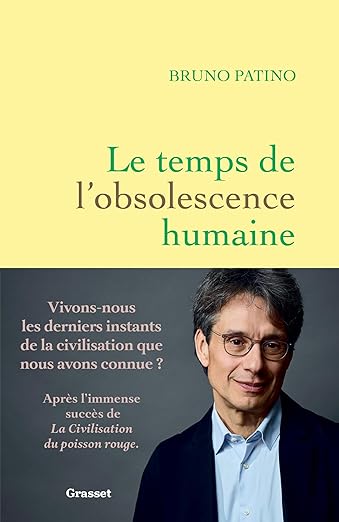
Patino on the agentic mutation of AI and what it costs us—rest, attention, freedom. The latest chapter in the argument he's been building since La civilisation du poisson rouge.

A pope trained as a mathematician's first encyclical, on AI and the dignity of the human person—arguing technology must be 'disarmed' from the logic of competition before it can serve rather than govern.
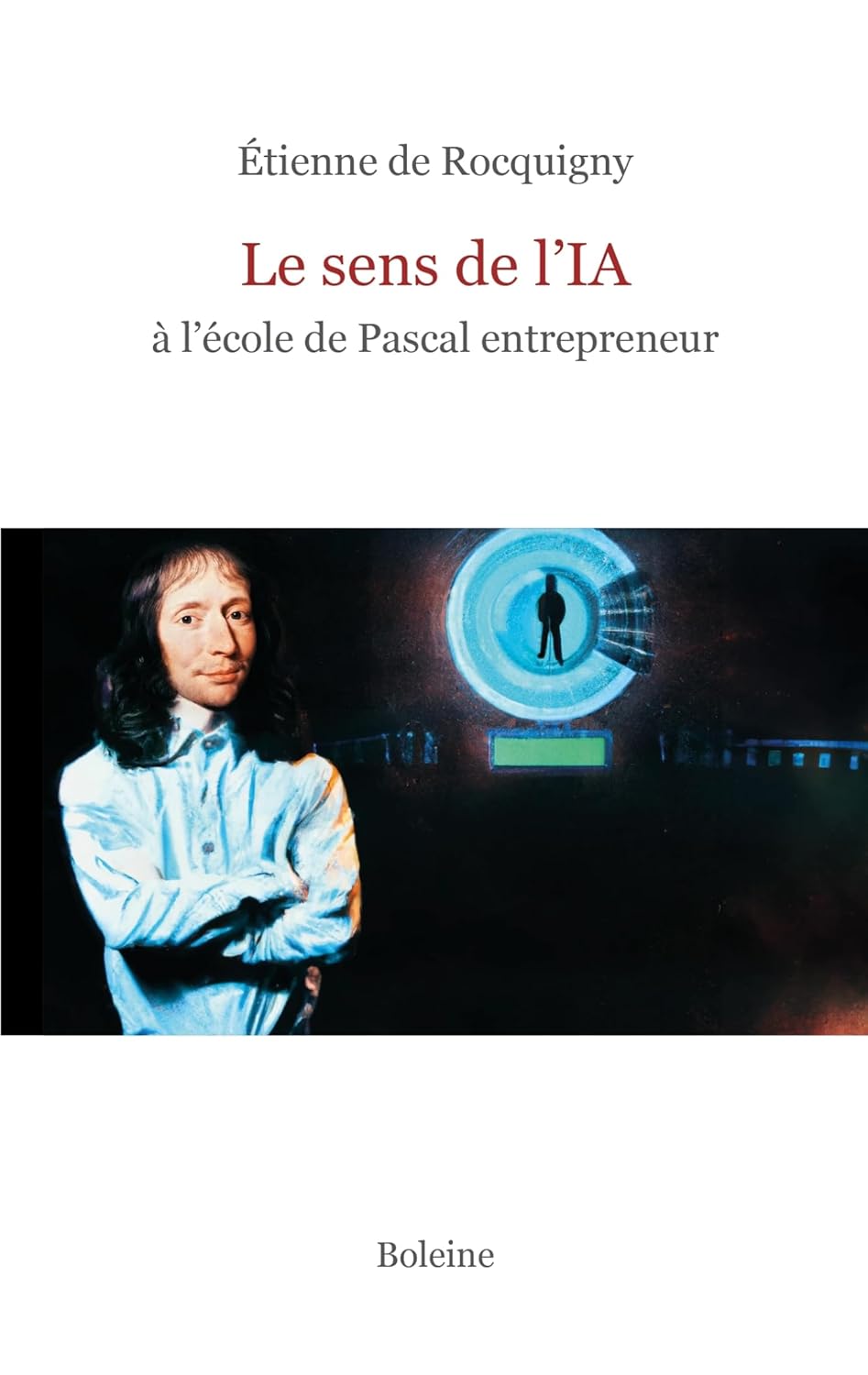
Pascal the mathematician who founded probability theory, in dialogue with Pascal the entrepreneur who built calculating machines—an unexpectedly direct lineage to today's AI and the question of what it's all for.
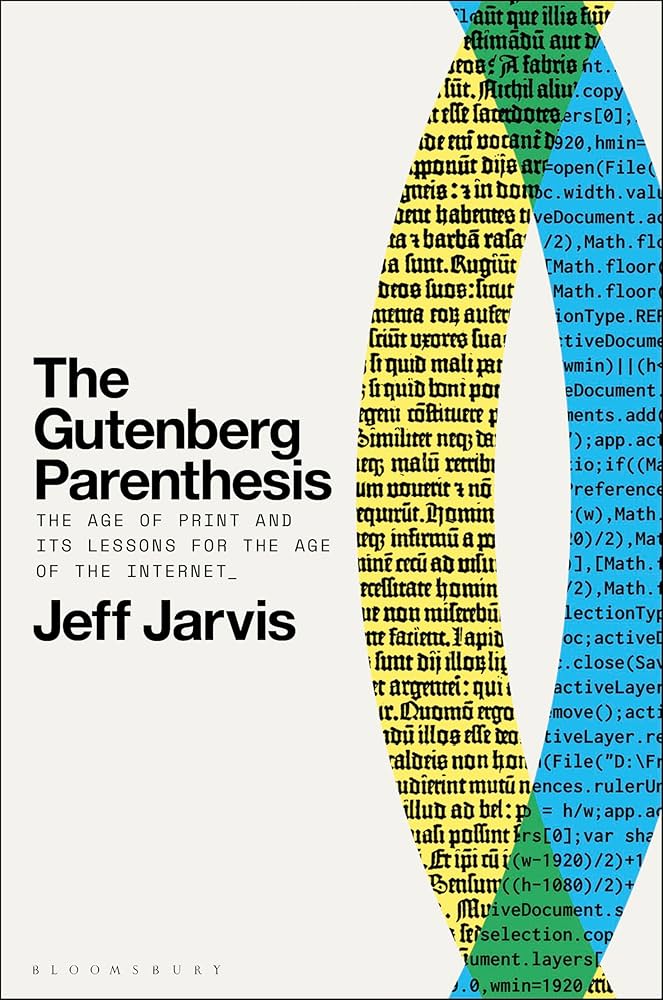
Jarvis's case that print was a five-century parenthesis between two ages of participatory, oral-like information sharing—the internet isn't the aberration. It's the return.
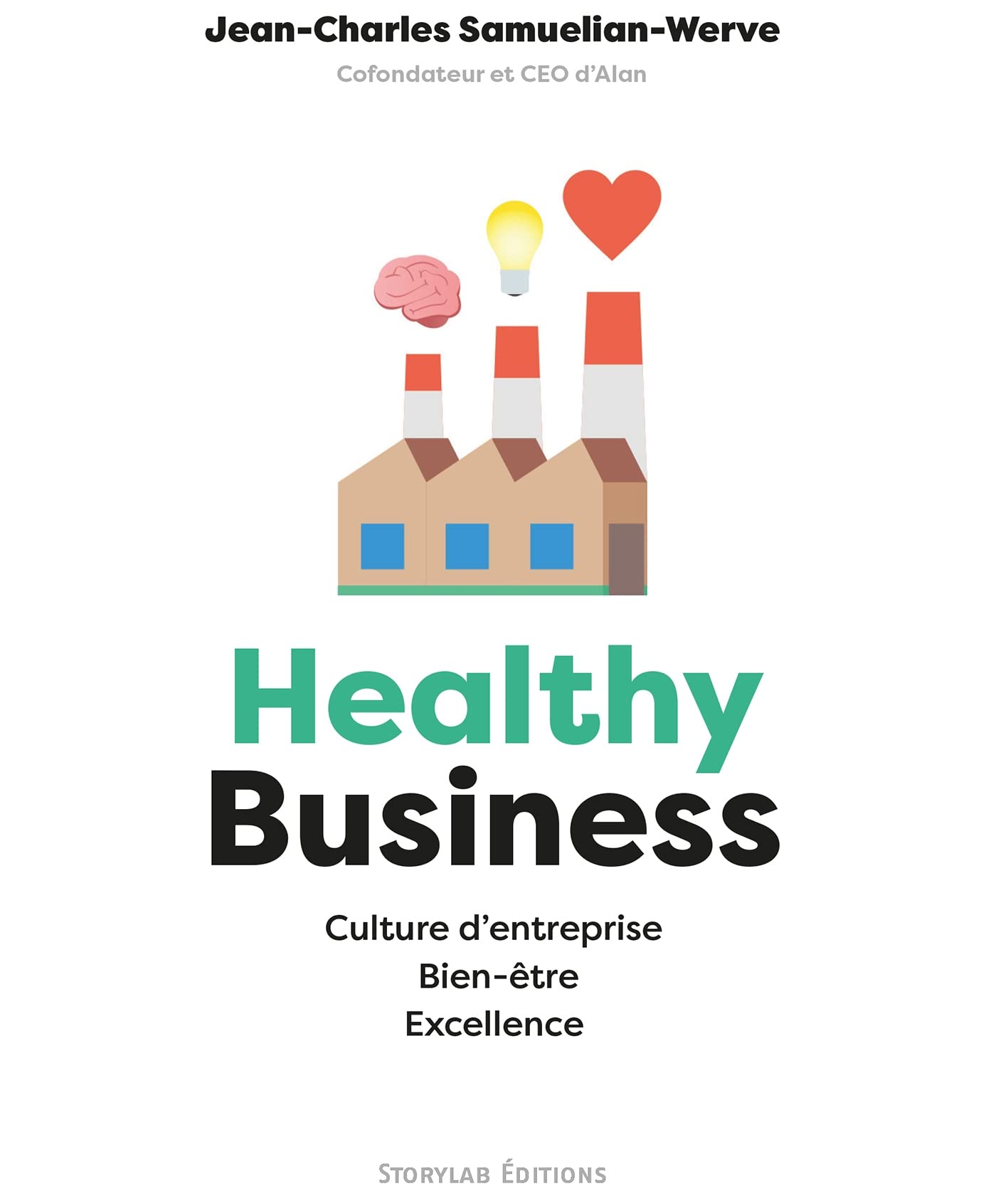
Radical transparency, shared responsibility, fewer meetings and managers—written from inside a fast-scaling team, not from a podium.
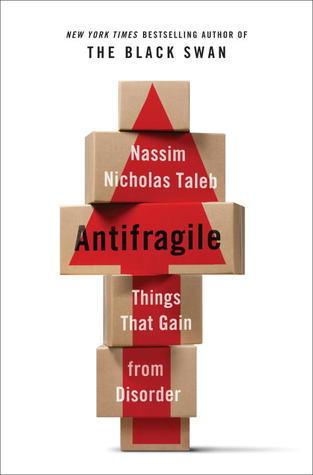
Beyond resilience: systems that don't just survive disorder but get better from it. The frame I keep reaching for whenever 'robust roadmap' starts to sound like the wrong goal.
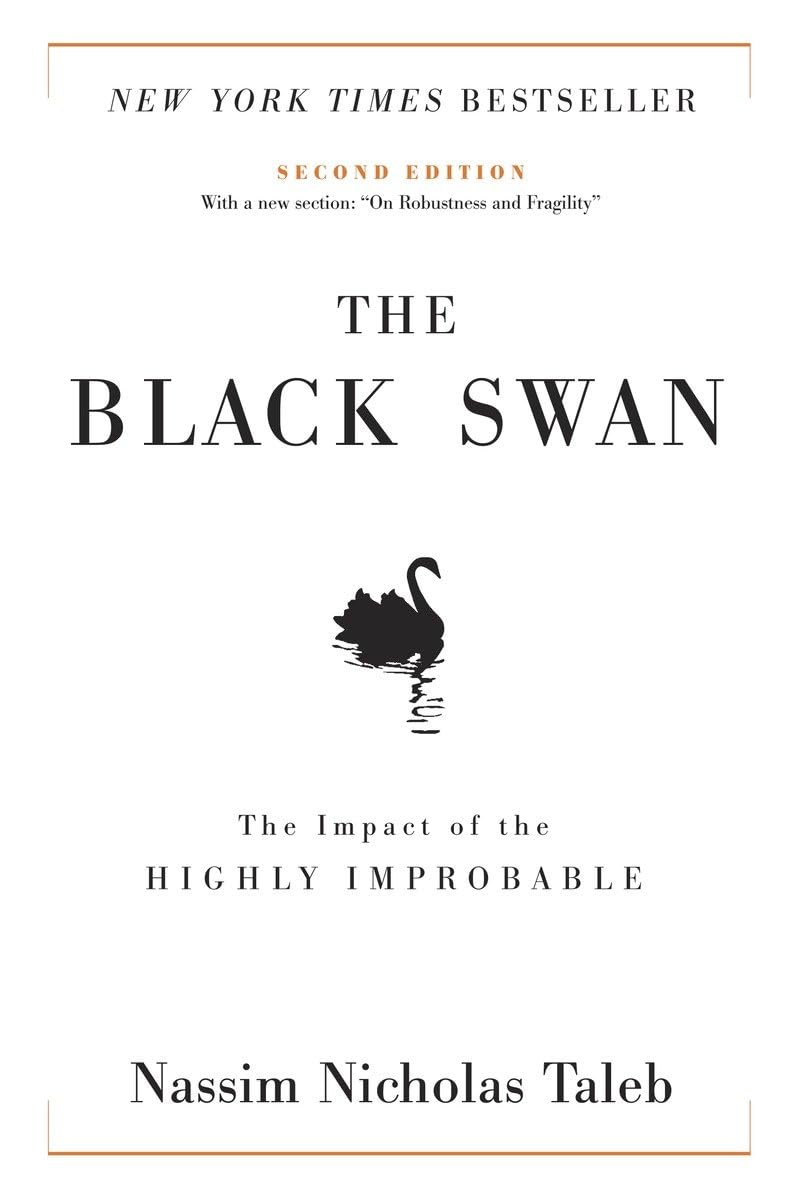
The book that made me permanently suspicious of any plan that doesn't budget for the event nobody saw coming.
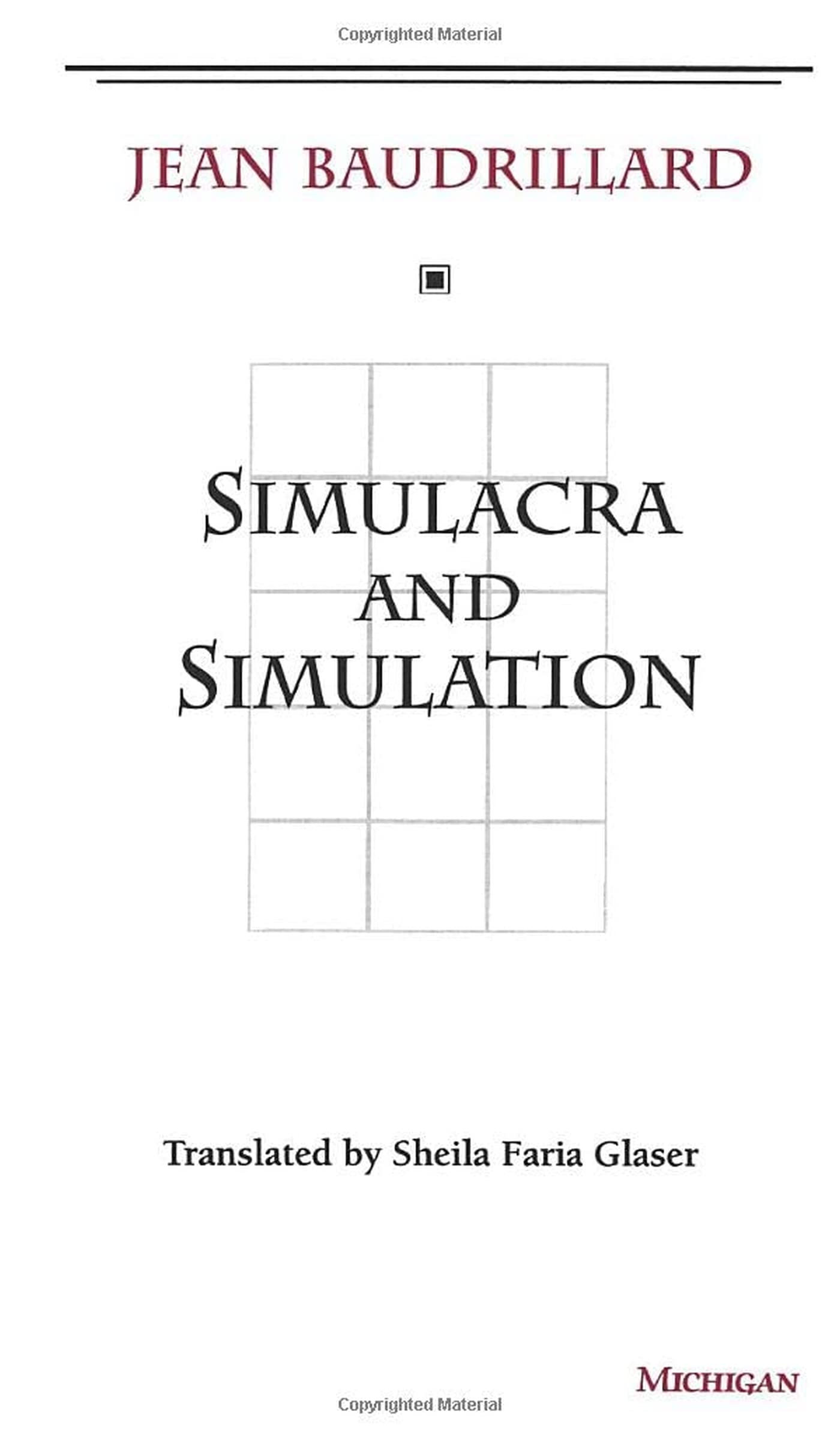
Decades before anyone said 'hallucination' about a model, Baudrillard had already mapped the territory where the simulacrum stops hiding the truth and becomes the truth.

1956, and already the diagnosis: mass leisure as another form of self-consuming labor. The argument holds—uncomfortably—for every platform that turns engagement into a job.
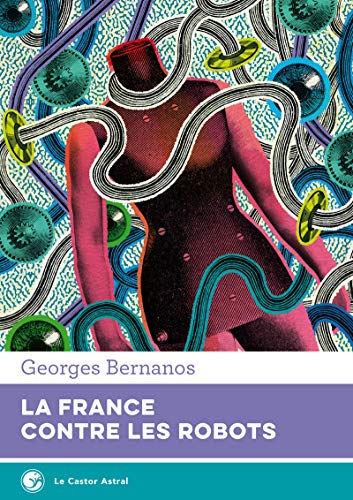
1947, and already this: 'as he becomes stronger, more fearsome, it becomes all the more necessary that he also become better.' A pamphlet against machinery that reads like it was written for this decade, not his own.
Once content is infinitely replicable at near-zero cost, the article stops being the product—the only way out is to productize the process instead: verification, truth-seeking, sense-making.
The piece that put a name on something I'd been circling for months: the durable asset in enterprise AI isn't the model, it's everything you build around it.
Planner / Generator / Evaluator as a pattern. Useful well beyond coding agents—it maps cleanly onto how a digital programme should be structured.
Civilization's adolescence: autonomy risk, misuse, economic disruption—serious, but not inevitable, if governance keeps pace.
The Vatican's most complete reflection on AI before Magnifica Humanitas—ancient wisdom and new technology, read together rather than against each other.
The case that powerful AI could compress a century of scientific progress into a decade—if equitable distribution and alignment are treated as first-order problems, not afterthoughts.
How AI is rewriting business, work, technology, and culture—curated with a sharp eye for the stories that reveal a structural shift rather than just another product launch.
The most rigorous reporting on how engineering teams actually work—compensation, career ladders, architecture decisions, big-tech culture. The gap between the official story and Orosz's version is usually where the signal is.
Product judgment, AI sovereignty, multilingual accessibility—written with the kind of rigour and ethical seriousness that should be more common in this field. Her thinking on what French-language AI means in practice is a necessary read.
A CIO's analytical take on AI's transformation of work and organisations—parametric models, labour market shifts, and the cognitive automation question. Balanced where most are either catastrophist or promotional.
Biological emergence and adaptability applied to the design of resilient information systems—a systemic lens on AI and work that resists both hype and catastrophism.
Strategy and disruption read through the lens of mental models and invisible assumptions. His central argument—that transformation fails when the frameworks don't change, not when the arguments do—is one I keep returning to.
A Wharton professor turning serious AI research into actionable insight—without dumbing it down. The most consistently useful newsletter on what AI actually does to work, learning, and organisations.
One of the more intellectually honest trackers of where AI actually is versus where it's claimed to be. Worth the friction, especially on regulatory gaps and the distance between benchmark performance and real-world reliability.
Written by a researcher who actually trains open-weight models at Ai2—so the post-training and RLHF commentary comes from the inside, not from reading someone else's paper. The clearest tracker I've found for what's really moving in the open-weight ecosystem, distillation debates included.
A biweekly technical deep dive rather than a news roundup—LLM architectures, coding-agent internals, reasoning mechanisms, written by someone who builds the systems he explains. Closer to a short course than a briefing.
AI engineering as a discipline in its own right—model routing economics, agent harnesses, inference infrastructure—reported through interviews with the people actually building it, not just commentary on it. The essay on a coding-agent 'meta-harness' alone was worth the subscription.
Fast-paced coverage of AI and Silicon Valley from a European angle—strong on the French-American tech delta and on industry consolidation. Energetic where other newsletters are cautious, direct where others hedge.
Long-form investigative journalism on algorithmic systems, surveillance, and digital power. The kind of critical structural perspective that mainstream tech media rarely makes time for.
The signal-to-noise ratio remains the best of any tech aggregator. The comments often outperform the articles they discuss—technically precise, sometimes brutal, always worth the scroll.
The quarterly essays are a goldmine of structural thinking on tech cycles—built as slide decks, dense with charts, but worth more than most written reports ten times their length.
Generative AI and product-building read through a systemic-design and craft lens—practical insight over hype.
Systems-level thinking on AI, institutions, and freedom—disintermediation and power treated as structural questions, not just technical ones.
AI, digital transformation, and their human implications—the paradoxes of automation, leadership, and meaning at work.
Satya Nadella's personal blog—longer-form thinking than his social posts, and considerably more careful. The Reverse Information Paradox essay is the best recent example of what happens when a CEO actually does the economic reasoning.
Rigorous conversations on AI from a French practitioner's standpoint.
The audio format of Silicon Carne—long-form interviews with founders, investors and operators, with the same unhedging editorial line.