Reading List
What I'm reading, citing, or recommending—books through feeds—with a brief note on each.

Biblical meditations on human dignity, written in the wake of Rerum Novarum, on what Christian anthropology has to offer facing AI—the meaning of work, dignity, what we owe the generations that follow.

What it actually costs to hold direction through discontinuity—distributed authority, sleepless uncertainty, transformation that no roadmap anticipated.
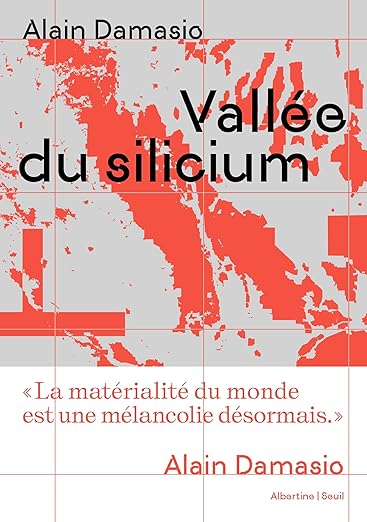
Seven chronicles from inside Silicon Valley—part travel writing, part poetic dissection of technocapitalism. Damasio doesn't denounce; he inhabits, then dismantles. The closing short story is among the best fiction he's written.
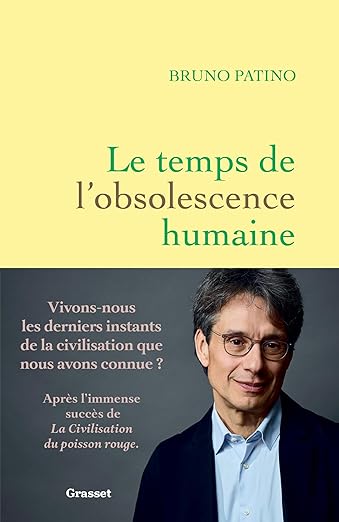
Patino on the agentic mutation of AI and what it costs us—rest, attention, freedom. The latest chapter in the argument he's been building since La civilisation du poisson rouge.
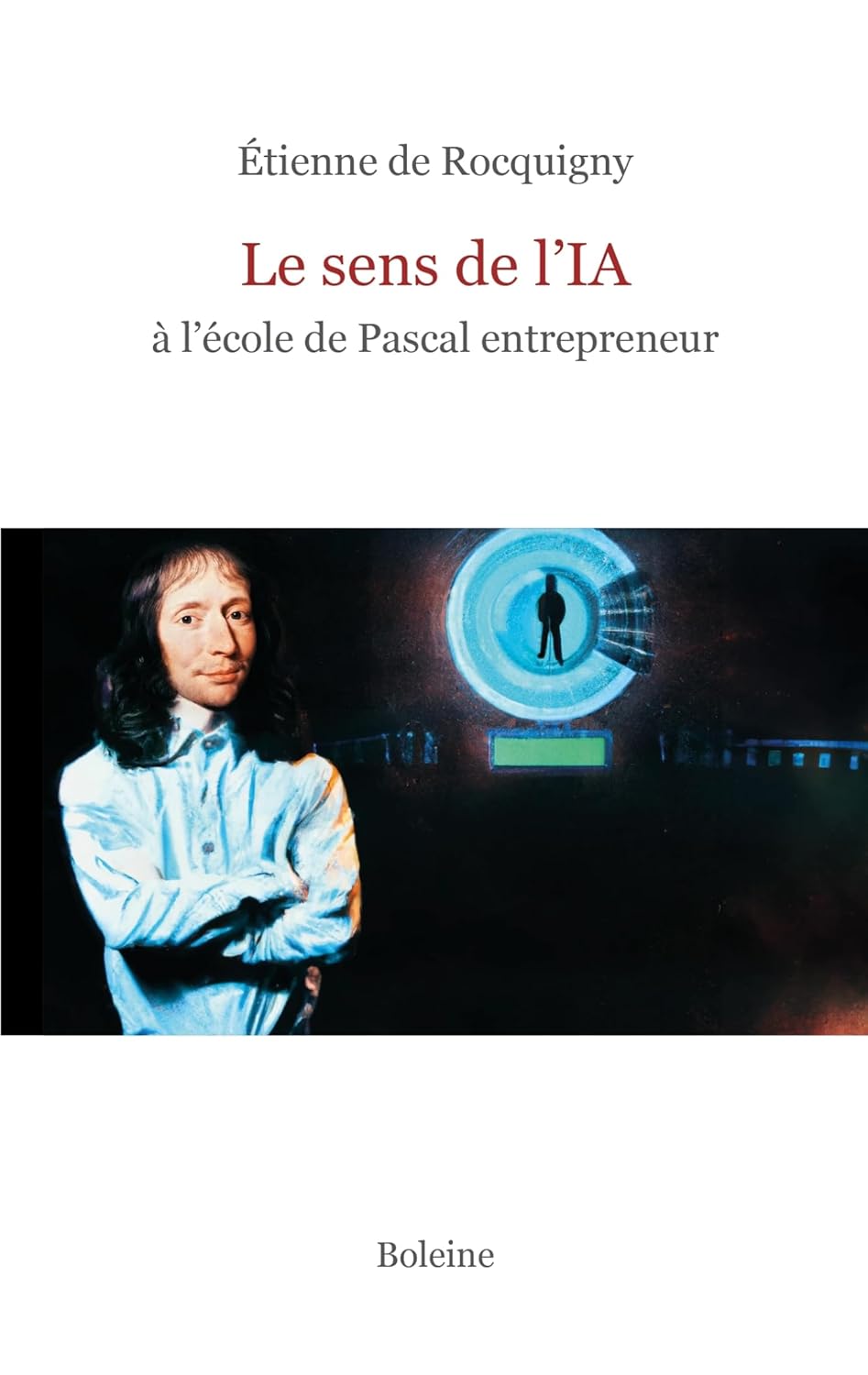
Pascal the mathematician who founded probability theory, in dialogue with Pascal the entrepreneur who built calculating machines—an unexpectedly direct lineage to today's AI and the question of what it's all for.
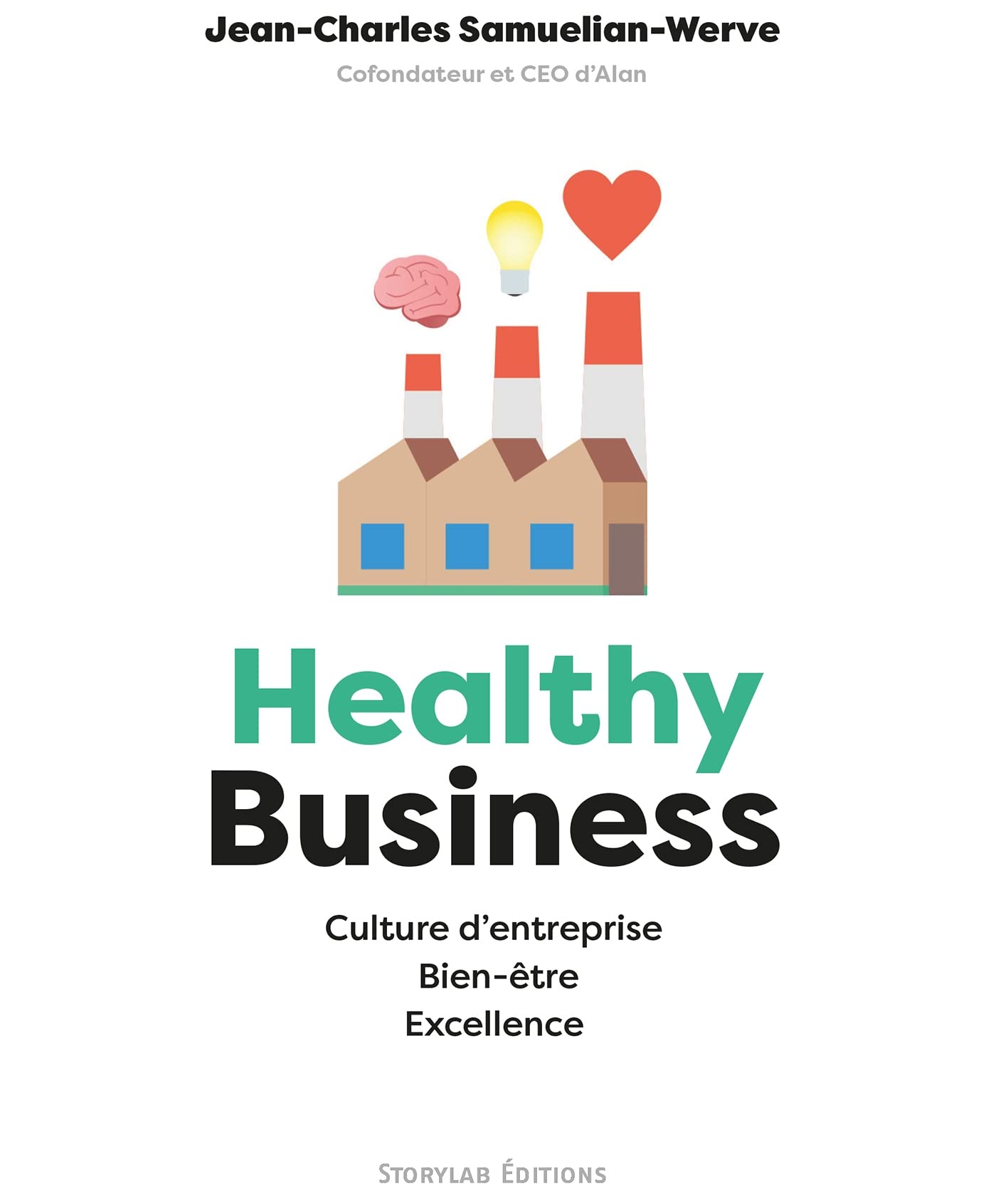
Radical transparency, shared responsibility, fewer meetings and managers—written from inside a fast-scaling team, not from a podium.
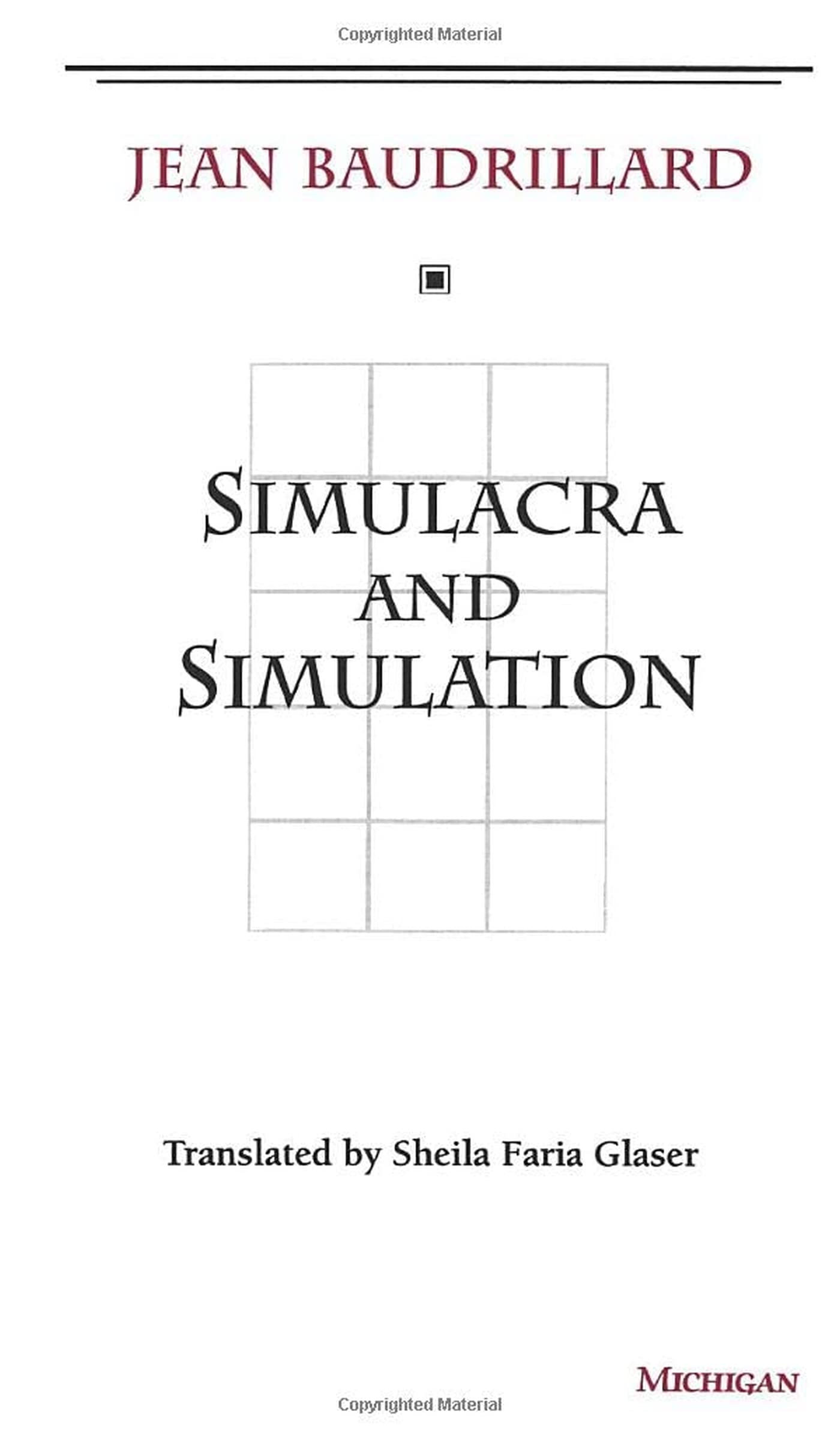
Decades before anyone said 'hallucination' about a model, Baudrillard had already mapped the territory where the simulacrum stops hiding the truth and becomes the truth.

1956, and already the diagnosis: mass leisure as another form of self-consuming labor. The argument holds—uncomfortably—for every platform that turns engagement into a job.
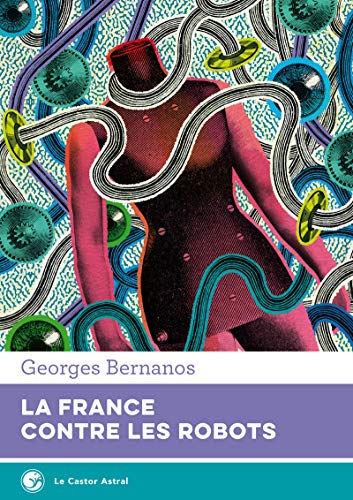
1947, and already this: 'as he becomes stronger, more fearsome, it becomes all the more necessary that he also become better.' A pamphlet against machinery that reads like it was written for this decade, not his own.
Product judgment, AI sovereignty, multilingual accessibility—written with the kind of rigour and ethical seriousness that should be more common in this field. Her thinking on what French-language AI means in practice is a necessary read.
A CIO's analytical take on AI's transformation of work and organisations—parametric models, labour market shifts, and the cognitive automation question. Balanced where most are either catastrophist or promotional.
Biological emergence and adaptability applied to the design of resilient information systems—a systemic lens on AI and work that resists both hype and catastrophism.
Strategy and disruption read through the lens of mental models and invisible assumptions. His central argument—that transformation fails when the frameworks don't change, not when the arguments do—is one I keep returning to.
Fast-paced coverage of AI and Silicon Valley from a European angle—strong on the French-American tech delta and on industry consolidation. Energetic where other newsletters are cautious, direct where others hedge.
Long-form investigative journalism on algorithmic systems, surveillance, and digital power. The kind of critical structural perspective that mainstream tech media rarely makes time for.
Generative AI and product-building read through a systemic-design and craft lens—practical insight over hype.
Systems-level thinking on AI, institutions, and freedom—disintermediation and power treated as structural questions, not just technical ones.
AI, digital transformation, and their human implications—the paradoxes of automation, leadership, and meaning at work.
Rigorous conversations on AI from a French practitioner's standpoint.
The audio format of Silicon Carne—long-form interviews with founders, investors and operators, with the same unhedging editorial line.